Believe it or not, I used to be in a band. In fact I’ve been in a few. None of them were particularly good having been fatally flawed by my painfully average guitar playing and chronic lack of stage presence. Despite these handicaps the musicians I’ve played with have been enthusiastic, often talented, and passionate about their influences. You nail your influences to the wall when looking for potential band-mates, often literally back when the vinyl exchange stairs were filled with personal ads from lonely guitarists. Who you liked said it all about who you were and who you wanted to be. No one ever stated their influences as Chris De Burgh or Whitney Houston, it was all The Smiths or The Ramones or whoever because they were cool and successful.
Their songs were the first ones you’d learned to play, the ones you’d actually played in your audition, their obscure b-sides the ones you hoped your own band would play during their first encore at the Brixton academy. The great thing was that these influences would be put through the grinder of your collaborators, mixed together with their influences and their own musical sensibilities until something hopefully fresh and new would emerge. Listen hard enough and your own influences could be heard, maybe in a chord sequence, a bass line, or a vocal style, but it would only be part of the larger whole. On the other hand, sometimes a band can absorb a set of influences so completely that they lose themselves, what makes them distinct, and in the process end up as a pastiche, a tribute to the music they’ve unwittingly emulated.
And so to
No One Can Ever Know, the latest full length album from Scottish band
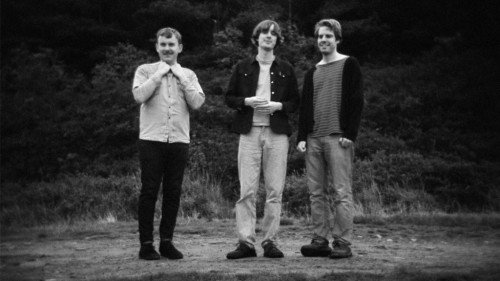
The Twilight Sad. It heralds a new sound for the band after they found themselves some fresh influences, according to their press release, with the collected works of Cabaret Voltaire, Liars, Magazine, Autechre, Banshees, Fad Gadget, PiL and Can. Vintage keyboards were widely used and in collaboration with Andy Weatherall they experimented with new percussion sounds and samples.

This is a big sonic shift for the band. Their previous two albums, “Fourteen Autumns and Fifteen Winters”, and “Forget the Night Ahead” were mainly played with real instruments, swamped with walls of noise and guitar effects, and the half-formed song structures suited this just fine. Unfortunately the switch to sparse electronica has thrown a cruel spotlight on the songwriting, exposing the lack of melody, and the cold production is sonically oblique leaving nothing to pull you in. The impression is that they spent much longer on the sound than the songs, and that’s the first problem.

The second is the influence issue. I read about their influences, all these great bands that I was really into, and I thought, if they’ve taken on these sounds and combined them together with their own musical sensibilities to create something new then the results could be stupendous. Unfortunately it sounds like these artists have been taken as a template to follow rather than a fresh spark to push them into new territories. You can listen to “No One Can Ever Know” and write down on the back of a 12”gatefold sleeve the bands The Twilight Sad have been listening to. The result is an early eighties replicant with no soul of its own, a tribute to better artists past. Perhaps The Twilight Sad want to sound like some great bands from 30 years ago, but in 30 years time I suspect there won’t be any bands wanting to sound like The Twilight Sad.
No One Can Ever Know is released February 6th 2012 on FatCat Records
excellent story about your time in a band, great read.
maybe learn how to spell twilight you bellend